Adversaries
  Ancestries
  Armor
Armor  Classes
  Communities
  Consumables
  Domains
  Environments
  Items
Items 

 Subclasses
  Weapons
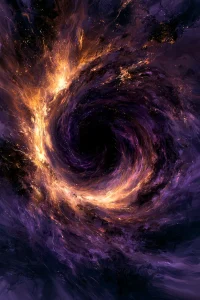
Gate

Domain overview
A domain of Summoning. Conjure creatures, wield their power, open gates to other planes, teleport, tear reality, deflect attacks.
The creatures are left non descript and are mostly agenced by power and role. Use your class or other domain to provide substance and colour for them.
For example :
– Gate + Sage could summon animals and plants
– Gate + Splendor could summon divine creatures such a cherubs and angels
– Gate + Dread could summon diabolical creatures such as imps and demons
– etc.
Gate tries to not slow gameplay down by having summons largely abstracted rather than being individual creatures that take turns, as with most Daggerheart summons.
Domain card index
| Level | Type | Name | Feature | Recall |
|---|---|---|---|---|
| 1 | Spell | Blink back |
If you moved as part of an Action Roll, you can teleport back to the place you occupied before moving after your roll is resolved.From level 5 onward, you may spend a Hope to Blink Back to where you were standing at the start of the scene.
If you moved as part of an Action Roll, you can teleport back to the place you occupied before moving after your roll is resolved. From level 5 onward, you may spend a Hope to Blink Back to where you were standing at the start of the scene. |
1 |
| 1 | Spell | Summon critters |
You summon one or a few small creatures of minor power, such as imps or diminutive elementals, staying within Close range of you.If there are no tokens on this card, you can mark a Stress to place a number of tokens on this card equal to your Spellcast Trait.
You summon one or a few small creatures of minor power, such as imps or diminutive elementals, staying within Close range of you. If there are no tokens on this card, you can mark a Stress to place a number of tokens on this card equal to your Spellcast Trait. Each token represents an action from your creatures. Spend a token to give a +1 bonus to an Action Roll within Close range of you. Spend any number of tokens to make a Spellcast Roll against a target within Close range. Your creatures attack the target. On a success, the target takes 1d8+2 physical or magic damage using the number of tokens spent. |
0 |
| 1 | Spell | Summon hindrance |
You call forth an annoying critter that attempts to block the way of a target.Make a Spellcast Roll against a target within Close range.
You call forth an annoying critter that attempts to block the way of a target. Make a Spellcast Roll against a target within Close range. On a success, the target is temporarily Slowed. You can turn the Slowed condition to the Restrained condition by Marking a Stress. Slowed: A Slowed creature must mark a Stress to move as part of an action. |
0 |
| 2 | Ability | Lesser Siphoning |
You manifest the power of an otherwordly creature within yourself.Mark a Stress to gain a bonus until you cast this spell again or take Severe damage or worse :You can breathe underwater and swim as you would walk.You can mark a Stress to add your Proficiency to a Damage Roll.You gain an extra armor slot.
You manifest the power of an otherwordly creature within yourself. Mark a Stress to gain a bonus until you cast this spell again or take Severe damage or worse :
|
1 |
| 2 | Spell | Summon Helpers |
You summon one or a few creatures tasked with the help of a willing ally or yourself, such as monkey…
You summon one or a few creatures tasked with the help of a willing ally or yourself, such as monkeys or a demon artisan. Spend a Hope and choose an effect :
|
1 |
| 3 | Spell | Summon Guardian |
Make a Spellcast Roll (14).
Make a Spellcast Roll (14). On a success, you summon one or a few creatures tasked with the defense of an ally or yourself, such as a swarm of pixies or an earth elemental. While protected by the creatures, the target can use them as protection when they take damage. When they do, the Severity is reduced by one Threshold and the creatures vanish. This spell can only affect one target at a time. |
2 |
| 3 | Spell | Summon Scout |
You summon a creature or a swarm creatures tasked with the help of scouting in a direction.Spend a Hope, Make a Spellcast Roll (7) and choose a direction : the creatures scout this general direction.
You summon a creature or a swarm creatures tasked with the help of scouting in a direction. Spend a Hope, Make a Spellcast Roll (7) and choose a direction : the creatures scout this general direction. The spell ends if they are attacked or must mark a Hit point or a Stress, and you are warned of this. After a few moments, if the creatures return, you get a brief description of what lies ahead, and the spell ends. If needed, your Spellcast Roll determines how stealthy your scouts are. If appropriate, you can use this spell to Keep Watch without spending a rest move. |
1 |
| 4 | Ability | Summon attacker |
You summon one or a few fighting creatures such as a fire elemental or a tiger, to help tearing down your foe.Make a Spellcast Roll against a target within Far range.
You summon one or a few fighting creatures such as a fire elemental or a tiger, to help tearing down your foe. Make a Spellcast Roll against a target within Far range. On a success you can spend a Hope to inflict the Harassed condition on the target until the GM spends a Fear to remove the condition, the target is defeated, the scene ends or you cast this spell again. On a success with Hope the spell damage is 1d8, and 1d6 on a success with Fear. Harassed: While Harassed, every time the target takes damage, add the spell damage to the damage. |
1 |
| 4 | Spell | Minor Gate |
Make a Spellcast Roll (13).
Make a Spellcast Roll (13). On a success, you can mark 2 Stress to open a Gate and pull a creature through it. Choose a Minion from a Tier below yours. A number of them equal to your Spellcast Trait appear within Close range of you and immediately make a move. Instead of spending Fear for their moves, you may spend your own Hope. Their adversaries are your adversaries, their allies are you and your group. When you take the spotlight, you decide whether you will make a move or the creatures will. Each creature disappears when it is defeated. While the creatures act in what they perceive as your interest, you may have trouble making them do exactly what you want: The GM plays the creatures. |
1 |
| 5 | Spell | Far Step |
You may teleport instead of moving.
You may teleport instead of moving. You must see the destination. If you move to Far range in this way, you must succeed on a Spellcast Roll (12) instead of an Agility Roll (10). Spend a Hope to take a willing creature with you. |
1 |
| 5 | Spell | Summon Assistance |
You summon one or a few small creatures gifted with beneficial power, such as a unicorn or an angel to help your allies.At the start of a Session, put a number of tokens on this card equal to your Spellcast Trait.Spend a token to make a Spellcast Roll (16).
You summon one or a few small creatures gifted with beneficial power, such as a unicorn or an angel to help your allies. At the start of a Session, put a number of tokens on this card equal to your Spellcast Trait. Spend a token to make a Spellcast Roll (16). On a success with Hope, a target within Very Close range clears 2 Hit points, 2 Stress or 2 Armor slots. On a success with Fear, they clear only 1 slot instead of 2. Remove all tokens at the end of a session. |
0 |
| 6 | Spell | Superior Siphoning |
You manifest the power of an otherwordly creature within yourself.Mark a Stress to gain a bonus until you cast this spell again or take Severe damage or worse :You can flyYour weapon Attack range is increased by one step (Melee > Very Close > Close > Far > Very Far)Your size doubles, you ignore Minor damage.
You manifest the power of an otherwordly creature within yourself. Mark a Stress to gain a bonus until you cast this spell again or take Severe damage or worse :
|
2 |
| 6 | Spell | Tear the Space |
Spend a Hope to open a spatial tear where you stand, and designate a number of targets at most equal to your Spellcast Trait.
Spend a Hope to open a spatial tear where you stand, and designate a number of targets at most equal to your Spellcast Trait. While the spell lasts and a target has the spotlight, they can teleport to a point as close to the spatial tear as possible. The spell ends when you take a rest, when you take Severe damage, or when you cast it again. When the spell ends, it can trigger one last time on all targets if you decide to spend a Hope. |
2 |
| 7 | Ability | Gate touched |
While 4 or more cards in your loadout are from the Gate domain, you gain the following benefits :When you affect a creature with a spell, you can mark a Stress to teleport the target within their Close range.
While 4 or more cards in your loadout are from the Gate domain, you gain the following benefits :
|
1 |
| 7 | Ability | Major Gate |
Make a Spellcast Roll (16).
Make a Spellcast Roll (16). On a success, you can mark 3 Stress to open a Gate and pull a creature through it. Choose a Tier 1 Skulk, Standard or Support. They appear within Close range of you and immediately make a move. Instead of spending Fear for their moves, you may spend your own Hope. Its adversaries are your adversaries, its allies are you and your group. When you take the spotlight, you decide whether you will make a move or the creature will. It disappears when it is defeated. While the creature acts in what it perceives as your interest, you may have trouble making it do exactly what you want: The GM plays the creature. |
2 |
| 8 | Spell | Summon Stampede |
You summon one or a few creatures who rush forward, destroying everything in their path, such as a rhinoceros or a flock of air elementals.Mark a Stress to choose two points within Very Far range.
You summon one or a few creatures who rush forward, destroying everything in their path, such as a rhinoceros or a flock of air elementals. Mark a Stress to choose two points within Very Far range. Choose a direction for the stampede and make a Spellcast Roll against all targets in the line between those two points. Every target you succeed against takes d10+3 physical or magic damage using your Proficiency, and are pushed back within their Close range in the general direction of the stampede. |
2 |
| 8 | Spell | Teleportation Circle |
When you have a few moments to prepare, you can prime a Teleportation Circle where you are and link it to another place you know well by spending 2 Hope.At any point while you have the spotlight, you can open the Teleportation Circle, which teleports everything within the Teleportation Circle you primed to the place it was linked with.
When you have a few moments to prepare, you can prime a Teleportation Circle where you are and link it to another place you know well by spending 2 Hope. At any point while you have the spotlight, you can open the Teleportation Circle, which teleports everything within the Teleportation Circle you primed to the place it was linked with. For a few moments, it continues to teleport everything that enters to the linked place, until the scene ends or you roll with Fear. You can only have one Primed Teleportation Circle at any time. |
2 |
| 9 | Ability | Redirect the flows |
You send hostile magic to another plane, and use it to lure its creatures to youAt the start of a session, place a Countdown (Loop - 4) on this card.While this card is in your loadout, when you take magic damage, you can spend a Hope to reduce the damage Severity by 1, sending part of the magic to another plane.
You send hostile magic to another plane, and use it to lure its creatures to you At the start of a session, place a Countdown (Loop - 4) on this card. While this card is in your loadout, when you take magic damage, you can spend a Hope to reduce the damage Severity by 1, sending part of the magic to another plane. When you do, reduce the countdown by 1. When the countdown reaches 0, you may immediately activate a domain card in your loadout or Vault with a cost of 1 Hope or 1 Stress at most for free. The countdown is then reset to 4. |
1 |
| 9 | Spell | Tear reality |
As a downtime project, you can open a rift to another plane of existence.
As a downtime project, you can open a rift to another plane of existence. Set up a Countdown (10). When the countdown reaches 0, you open a rift to another place of your choosing over which you have a semblance of power (no reaching a plane of death for an elemental summoner for example). The rift stays open until you take a long rest or take Severe damage or worse. |
3 |
| 10 | Spell | Supreme Gate |
Once per session, make a Spellcast Roll (20).
Once per session, make a Spellcast Roll (20). On a success, you can mark 4 Stress to open a Gate and pull a creature through it. Choose a Tier 2 Skulk, Standard or Support. They appear within Close range of you and immediately make a move. Instead of spending Fear for their moves, you may spend your own Hope. Its adversaries are your adversaries, its allies are you and your group. When you take the spotlight, you decide whether you will make a move or the creature will. It disappears when it is defeated. While the creature acts in what it perceives as your interest, you may have trouble making it do exactly what you want: The GM plays the creature. |
3 |
| 10 | Spell | Supreme Siphoning |
Once per session, you can mark 3 Stress to fuse with an otherworldly entity.
Once per session, you can mark 3 Stress to fuse with an otherworldly entity. While in this state, you gain the following benefits:
Put a number of tokens on this card equal to your Spellcast Trait. To maintain the spell, you must spend a token after every action roll you make. |
3 |
Domain cards
1


Blink back
If you moved as part of an Action Roll, you can teleport back to the place you occupied before moving after your roll is resolved.
From level 5 onward, you may spend a Hope to Blink Back to where you were standing at the start of the scene.
 Midjourney

1
Summon critters
You summon one or a few small creatures of minor power, such as imps or diminutive elementals, staying within Close range of you.
If there are no tokens on this card, you can mark a Stress to place a number of tokens on this card equal to your Spellcast Trait. Each token represents an action from your creatures.
Spend a token to give a +1 bonus to an Action Roll within Close range of you.
Spend any number of tokens to make a Spellcast Roll against a target within Close range. Your creatures attack the target. On a success, the target takes 1d8+2 physical or magic damage using the number of tokens spent.
Midjourney
1
Summon hindrance
You call forth an annoying critter that attempts to block the way of a target.
Make a Spellcast Roll against a target within Close range. On a success, the target is temporarily Slowed. You can turn the Slowed condition to the Restrained condition by Marking a Stress.
Slowed: A Slowed creature must mark a Stress to move as part of an action.
Midjourney
2
Lesser Siphoning
You manifest the power of an otherwordly creature within yourself.
Mark a Stress to gain a bonus until you cast this spell again or take Severe damage or worse :
You can breathe underwater and swim as you would walk.
You can mark a Stress to add your Proficiency to a Damage Roll.
You gain an extra armor slot.
Midjourney
2
Summon Helpers
You summon one or a few creatures tasked with the help of a willing ally or yourself, such as monkeys or a demon artisan.
Spend a Hope and choose an effect :
Move the target within Far range
Give the target Advantage on an Action Roll
Give the target +3 on a Damage Roll
Midjourney
3
Summon Guardian
Make a Spellcast Roll (14). On a success, you summon one or a few creatures tasked with the defense of an ally or yourself, such as a swarm of pixies or an earth elemental.
While protected by the creatures, the target can use them as protection when they take damage. When they do, the Severity is reduced by one Threshold and the creatures vanish.
This spell can only affect one target at a time.
Midjourney
3
Summon Scout
You summon a creature or a swarm creatures tasked with the help of scouting in a direction.
Spend a Hope, Make a Spellcast Roll (7) and choose a direction : the creatures scout this general direction. The spell ends if they are attacked or must mark a Hit point or a Stress, and you are warned of this.
After a few moments, if the creatures return, you get a brief description of what lies ahead, and the spell ends.
If needed, your Spellcast Roll determines how stealthy your scouts are.
If appropriate, you can use this spell to Keep Watch without spending a rest move.
Midjourney
4
Summon attacker
You summon one or a few fighting creatures such as a fire elemental or a tiger, to help tearing down your foe.
Make a Spellcast Roll against a target within Far range. On a success you can spend a Hope to inflict the Harassed condition on the target until the GM spends a Fear to remove the condition, the target is defeated, the scene ends or you cast this spell again.
On a success with Hope the spell damage is 1d8, and 1d6 on a success with Fear.
Harassed: While Harassed, every time the target takes damage, add the spell damage to the damage.
Midjourney
4
Minor Gate
Make a Spellcast Roll (13). On a success, you can mark 2 Stress to open a Gate and pull a creature through it. Choose a Minion from a Tier below yours. A number of them equal to your Spellcast Trait appear within Close range of you and immediately make a move.
Instead of spending Fear for their moves, you may spend your own Hope. Their adversaries are your adversaries, their allies are you and your group. When you take the spotlight, you decide whether you will make a move or the creatures will. Each creature disappears when it is defeated.
While the creatures act in what they perceive as your interest, you may have trouble making them do exactly what you want: The GM plays the creatures.
Midjourney
5
Far Step
You may teleport instead of moving. You must see the destination. If you move to Far range in this way, you must succeed on a Spellcast Roll (12) instead of an Agility Roll (10).
Spend a Hope to take a willing creature with you.
Midjourney
5
Summon Assistance
You summon one or a few small creatures gifted with beneficial power, such as a unicorn or an angel to help your allies.
At the start of a Session, put a number of tokens on this card equal to your Spellcast Trait.
Spend a token to make a Spellcast Roll (16). On a success with Hope, a target within Very Close range clears 2 Hit points, 2 Stress or 2 Armor slots. On a success with Fear, they clear only 1 slot instead of 2.
Remove all tokens at the end of a session.
Midjourney
6
Superior Siphoning
You manifest the power of an otherwordly creature within yourself.
Mark a Stress to gain a bonus until you cast this spell again or take Severe damage or worse :
You can fly
Your weapon Attack range is increased by one step (Melee > Very Close > Close > Far > Very Far)
Your size doubles, you ignore Minor damage.
Midjourney
6
Tear the Space
Spend a Hope to open a spatial tear where you stand, and designate a number of targets at most equal to your Spellcast Trait. While the spell lasts and a target has the spotlight, they can teleport to a point as close to the spatial tear as possible.
The spell ends when you take a rest, when you take Severe damage, or when you cast it again. When the spell ends, it can trigger one last time on all targets if you decide to spend a Hope.
Midjourney
7
Gate touched
While 4 or more cards in your loadout are from the Gate domain, you gain the following benefits :
When you affect a creature with a spell, you can mark a Stress to teleport the target within their Close range. They must land in a spot generally safe and within Very Close range of the ground.
You have +1 to all your Spellcast Rolls while you have at least one summon.
You play the creatures you summon with your Minor, Major and Supreme Gate spells.
Midjourney
7
Major Gate
Make a Spellcast Roll (16). On a success, you can mark 3 Stress to open a Gate and pull a creature through it. Choose a Tier 1 Skulk, Standard or Support. They appear within Close range of you and immediately make a move.
Instead of spending Fear for their moves, you may spend your own Hope. Its adversaries are your adversaries, its allies are you and your group. When you take the spotlight, you decide whether you will make a move or the creature will. It disappears when it is defeated.
While the creature acts in what it perceives as your interest, you may have trouble making it do exactly what you want: The GM plays the creature.
Midjourney
8
Summon Stampede
You summon one or a few creatures who rush forward, destroying everything in their path, such as a rhinoceros or a flock of air elementals.
Mark a Stress to choose two points within Very Far range. Choose a direction for the stampede and make a Spellcast Roll against all targets in the line between those two points.
Every target you succeed against takes d10+3 physical or magic damage using your Proficiency, and are pushed back within their Close range in the general direction of the stampede.
Midjourney
8
Teleportation Circle
When you have a few moments to prepare, you can prime a Teleportation Circle where you are and link it to another place you know well by spending 2 Hope.
At any point while you have the spotlight, you can open the Teleportation Circle, which teleports everything within the Teleportation Circle you primed to the place it was linked with. For a few moments, it continues to teleport everything that enters to the linked place, until the scene ends or you roll with Fear.
You can only have one Primed Teleportation Circle at any time.
Midjourney
9
Redirect the flows
You send hostile magic to another plane, and use it to lure its creatures to you
At the start of a session, place a Countdown (Loop - 4) on this card.
While this card is in your loadout, when you take magic damage, you can spend a Hope to reduce the damage Severity by 1, sending part of the magic to another plane. When you do, reduce the countdown by 1.
When the countdown reaches 0, you may immediately activate a domain card in your loadout or Vault with a cost of 1 Hope or 1 Stress at most for free. The countdown is then reset to 4.
Midjourney
9
Tear reality
As a downtime project, you can open a rift to another plane of existence. Set up a Countdown (10).
When the countdown reaches 0, you open a rift to another place of your choosing over which you have a semblance of power (no reaching a plane of death for an elemental summoner for example).
The rift stays open until you take a long rest or take Severe damage or worse.
Midjourney
10
Supreme Gate
Once per session, make a Spellcast Roll (20). On a success, you can mark 4 Stress to open a Gate and pull a creature through it. Choose a Tier 2 Skulk, Standard or Support. They appear within Close range of you and immediately make a move.
Instead of spending Fear for their moves, you may spend your own Hope. Its adversaries are your adversaries, its allies are you and your group. When you take the spotlight, you decide whether you will make a move or the creature will. It disappears when it is defeated.
While the creature acts in what it perceives as your interest, you may have trouble making it do exactly what you want: The GM plays the creature.
Midjourney
10
Supreme Siphoning
Once per session, you can mark 3 Stress to fuse with an otherworldly entity. While in this state, you gain the following benefits:
Your size quadruples, you can't be pushed or pulled against your will and ignore Minor Damage.
You can move to Far range without an Action Roll. You can fly, pass through solid objects, breathe and move underwater.
Your single target attacks affect a group of targets and deal +6 damage.
Put a number of tokens on this card equal to your Spellcast Trait. To maintain the spell, you must spend a token after every action roll you make.
Midjourney
Supreme Siphoning
A domain of Summoning. Conjure creatures, wield their power, open gates to other planes, teleport, tear reality, deflect attacks.
The creatures are left non descript and are mostly agenced by power and role. Use your class or other domain to provide substance and colour for them.
For example :
– Gate + Sage could summon animals and plants
– Gate + Splendor could summon divine creatures such a cherubs and angels
– Gate + Dread could summon diabolical creatures such as imps and demons
– etc.
Gate tries to not slow gameplay down by having summons largely abstracted rather than being individual creatures that take turns, as with most Daggerheart summons.
Domains
—
Starting Evasion
—
Starting Hit Points
—
Class Items
—
Supreme Siphoning Subclasses
No subclasses available.
—
Background Questions
Answer any of the following, or create your own.
—
Connections
Ask one of the following, or improvise.
—
Discussion
Be thoughtful and kind.

Remember to be respectful. Comments are moderated and should add to the discussion.