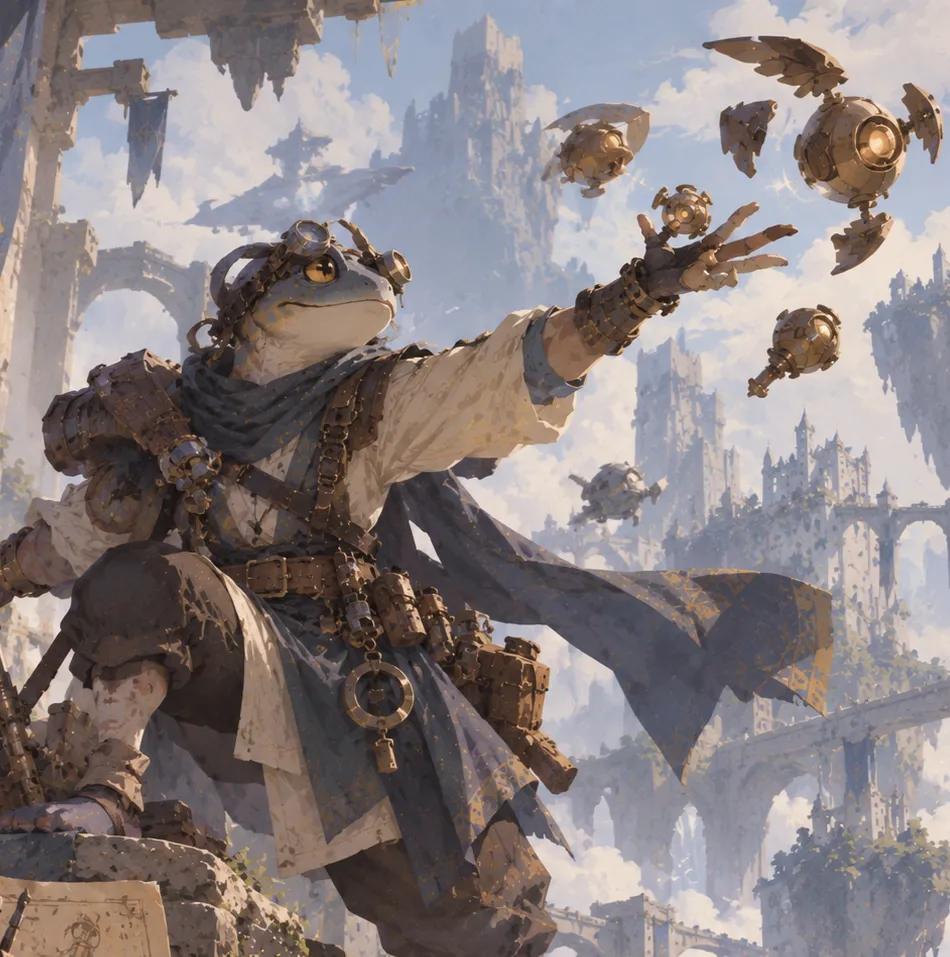
Tinker

About this class
A brilliant mind that blends arcane power with engineering, crafting arcane wonders to turn the tide of different situations.
Included subclasses
Domains
 Codex
 Sage
Starting stats
Hope feature
Class features
-
Arcane Infusion
Spend 1 Hope to touch a willing character and a mundane item, imbuing the object with a copy of a Spell or Grimoire domain card from their loadout. You can maintain a number of active infusions equal to your Tier.
When a character wields this item, they can activate it by making the required roll using Knowledge or Instinct. The user must pay the spell's original cost (e.g., Hope or Stress). If the original effect has no cost, the user must spend 1 Hope to activate it.
-
Arcane Rigging
You can make small magical repairs. Additionally, you are able to use mundane items and mechanical pieces to create harmless, subtle magical effects at will. For example, you can create an arcane lighter, combine small ingredients to build a temporary compass, or generate simple sounds, smells, and colors.
-
Patchwork
Spend 1 Hope to touch an armor and make a Finesse action roll against a Difficulty of 10 + the Armor's Tier. On a success, the target clears a number of Armor Slots equal to 1d4 + half your Tier (rounded down).
Class items
- A set of fine-tuning tools
- A broken device you swear you'll fix one day.
Character questions
Background prompts
- What was your first great invention, and what went terribly wrong with it?
- Who was your mentor in the arcane arts and engineering, and what crucial lesson did they teach you?
- You're trying to recreate a legendary artifact from the past. What is it, and why are you obsessed with it?
Connection prompts
- Which piece of your equipment am I always trying to "improve" without your permission?
- I built a small device for you as a gift. What is it and what does it do?
- We worked together on a complex project in the past. What was it, and why don't we talk about the results?
Subclass cards
Printable via header menu


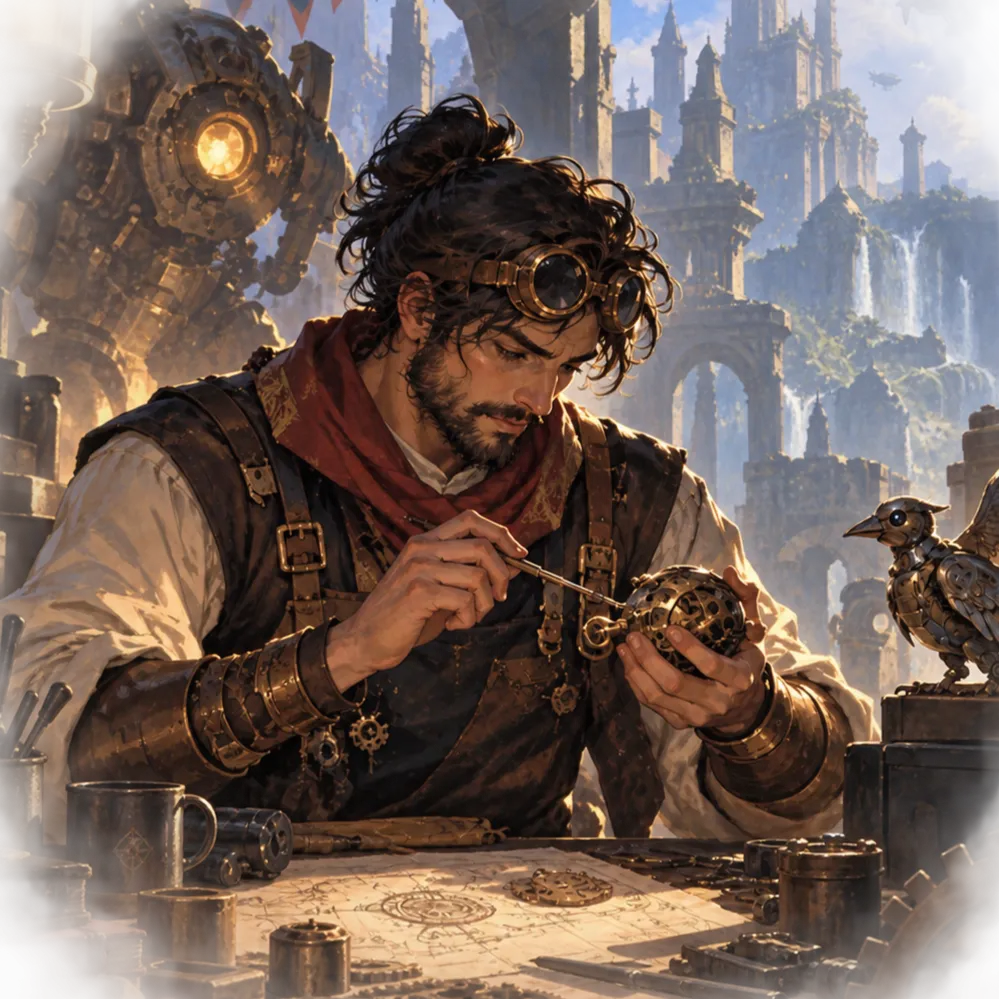

Gearsmith
Foundation
SPELLCAST TRAIT: Knowledge
Kinetic Die: Whenever you mark an Armor Slot to reduce incoming damage, place one Kinetic Token on this card up to your Spellcast Trait. They hold up until a Long Rest, or you change armor.
Your Kinetic Die is D6. When you make a successful attack, you can spend any number of tokens to roll that many Kinetic Dice of extra Magical Damage.
You can spend a Hope to add 1d4 Kinetic Die
Calculated Strike: While you have at least a Kinetic Die, you may perform your Attack Rolls using Spellcast trait instead.

Gearsmith
Specialization
Defensive Layer: When you take damage from an attack, you can spend any number of Kinetic Tokens to roll the same number of Kinetic Dice and reduce the incoming damage by the final result.
Repelling Waves: As an Action, you can unleash a kinetic blast. If you do, spend any number of Kinetic Tokens to roll the same number of Kinetic Dice against all enemies within Melee range.
The affected targets have to make an Agility Reaction Roll against your Spellcast trait + 10. On a failure, they are pushed back to Close Range. Each that succeeds isn't pushed and takes only half damage.
Gearsmith
Mastery
Arcane Overload: Your Kinetic Die becomes D8.
Additionally, while you are holding the maximum number of Kinetic Tokens, you have Resistance to Magical Damage.
Source Connection: As an Action, you can make a Spellcast Roll (15). On a success, you can spend any number of Kinetic Tokens. For each token spent, you can clear either one Stress or one HP slot.
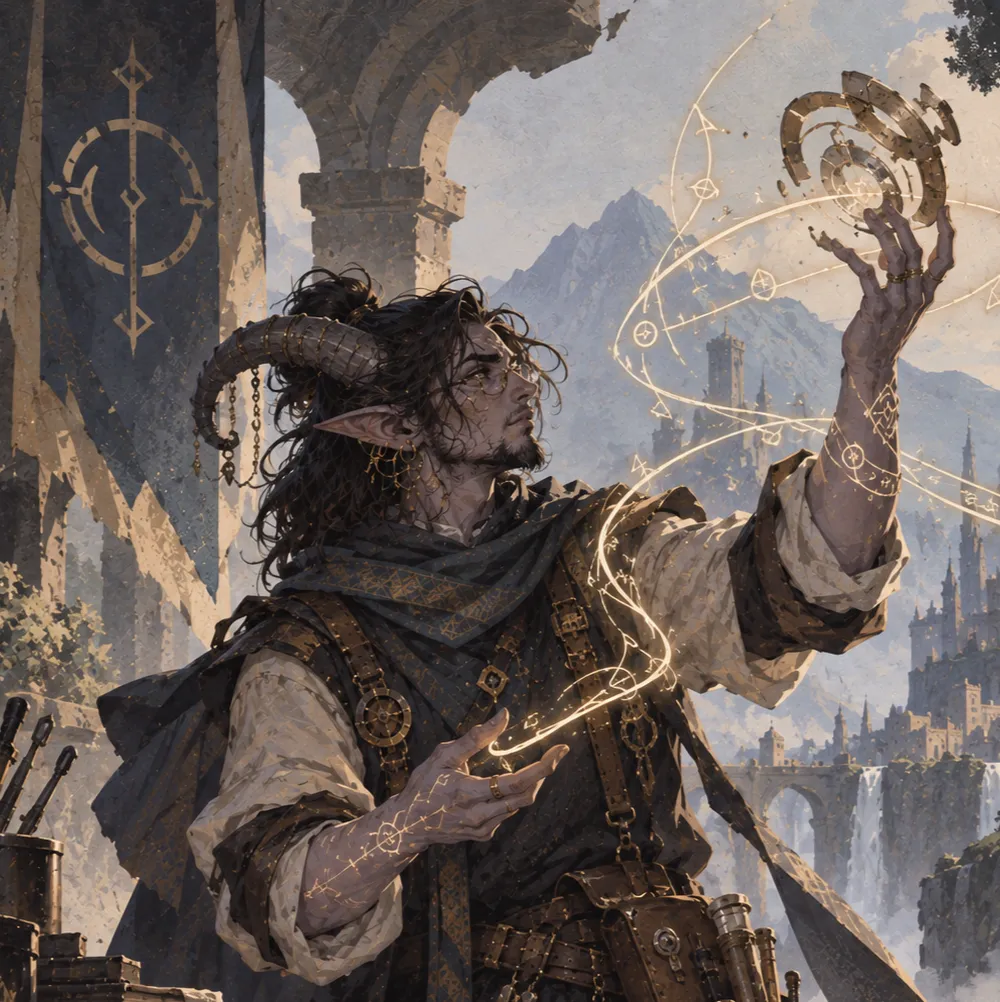
Glyphweaver
Foundation
SPELLCAST TRAIT: Knowledge
Runic Arsenal: After each Rest, you gain Runic Motes up to your Spellcast trait. You can also mark a Stress to refill them.
You can spend Motes to create Glyphs and place them on items, using the required Motes number. Active Glyphs count toward your maximum.
Glyph Repertoire: A modified item can only have a Glyph effect at a time. You know the following:
Runic Mesh: (1 Mote). Armor glyph. Its wielder gains the following feature: "When you take damage, you can spend this Glyph to reduce a Severity level. Then roll a D6. On a 6, the Glyph is not spent."
Fine Tuning: (1 Mote) Weapon glyph. Choose a character trait when you place it; the weapon uses the chosen trait for its attack rolls while this Glyph is active.
Enervating Glyph: (2 Motes) Weapon glyph. When the wielder deals damage to a target with this weapon, the target must also mark a Stress.
Glyphweaver
Specialization
Mote Recycler: You can touch an item bearing one of your Glyphs and remove it. When you do, choose one: regain the Runic Mote, or spend it to clear 1d4+Motes Stress.
Advanced Glyphs: You can now prepare the following Glyphs:
Blinking Glyph: (1 Mote) Equipment glyph. The wielder can mark a Stress to teleport to a point they can see within Far range.
Resonating Glyph: (2 Motes) Weapon mote. On a damage roll with this weapon, each maximum roll adds half that value as bonus Magical damage. If the wielder chooses to spend this Glyph, the target has to make a Strength Reaction Roll (12 + wielder's Proficiency). On a failure, the target is pushed to Far range.
Warding Glyph: (1 Mote) Armor glyph. The wielder can roll 1d6 and add to Evasion against an incoming attack. If the roll is higher than the wielder's Tier, the Glyph is spent.
Glyphweaver
Mastery
Dual Weaving: You can now infuse items with 2 different Glyphs. Anytime you mark HP, you can spend 2 Hope to mark same number of Motes
Restrict List: Add the following Glyphs:
Vortex Glyph: (1 Mote). Item glyph. The wielder can spend a Hope to imprint to a location in touch. Anytime while in same dimension, this Glyph can be consumed to teleport there.
Deep Strike Glyph: (1 Mote). Weapon glyph. It gains the following: "On a successful attack with this weapon, add the weapon's trait modifier to Damage Roll."
Elusive Flow Glyph: (1 Mote). Armor glyph. Add the following: "When targeted, add +2 Evasion for each Hope spent"
Might Glyph: (2 Motes). Armor glyph. Gives Advantage on Strength rolls. Additionally, add Physical Damage bonus equal to its Unmarked Armor Slots.
Tinker
A brilliant mind that blends arcane power with engineering, crafting arcane wonders to turn the tide of different situations.
Domains
Codex + Sage
Starting Evasion
10
Starting Hit Points
6
Class Items
- • A set of fine-tuning tools
- • A broken device you swear you'll fix one day.
Tinker’s Hope Feature
Enchanted Trigger : Spend 3 Hope to consume one of your applied infusions within Close range. Choose one of the following effects: A target within Close range clears a number of Hit Points or Stress equal to the infusion's Tier. Gain a bonus to your next Duality Roll equal to the infusion's Tier. Gain a bonus to your next Damage Roll equal to the infusion's Tier plus your Proficiency. This bonus damage is Magical.
Class Features
Arcane Infusion
Spend 1 Hope to touch a willing character and a mundane item, imbuing the object with a copy of a Spell or Grimoire domain card from their loadout. You can maintain a number of active infusions equal to your Tier. When a character wields this item, they can activate it by making the required roll using Knowledge or Instinct. The user must pay the spell's original cost (e.g., Hope or Stress). If the original effect has no cost, the user must spend 1 Hope to activate it.
Arcane Rigging
You can make small magical repairs. Additionally, you are able to use mundane items and mechanical pieces to create harmless, subtle magical effects at will. For example, you can create an arcane lighter, combine small ingredients to build a temporary compass, or generate simple sounds, smells, and colors.
Patchwork
Spend 1 Hope to touch an armor and make a Finesse action roll against a Difficulty of 10 + the Armor's Tier. On a success, the target clears a number of Armor Slots equal to 1d4 + half your Tier (rounded down).
Tinker Subclasses
Choose either the Gearsmith or Glyphweaver subclass.
Gearsmith
Arcane Engineer deeply connected to your armor
Spellcast Trait
Knowledge
Foundation Features
Kinetic Die: Whenever you mark an Armor Slot to reduce incoming damage, place one Kinetic Token on this card up to your Spellcast Trait. They hold up until a Long Rest, or you change armor.
Your Kinetic Die is D6. When you make a successful attack, you can spend any number of tokens to roll that many Kinetic Dice of extra Magical Damage.
You can spend a Hope to add 1d4 Kinetic Die
Calculated Strike: While you have at least a Kinetic Die, you may perform your Attack Rolls using Spellcast trait instead.
Specialization Feature
Defensive Layer: When you take damage from an attack, you can spend any number of Kinetic Tokens to roll the same number of Kinetic Dice and reduce the incoming damage by the final result.
Repelling Waves: As an Action, you can unleash a kinetic blast. If you do, spend any number of Kinetic Tokens to roll the same number of Kinetic Dice against all enemies within Melee range.
The affected targets have to make an Agility Reaction Roll against your Spellcast trait + 10. On a failure, they are pushed back to Close Range. Each that succeeds isn't pushed and takes only half damage.
Mastery Feature
Arcane Overload: Your Kinetic Die becomes D8.
Additionally, while you are holding the maximum number of Kinetic Tokens, you have Resistance to Magical Damage.
Source Connection: As an Action, you can make a Spellcast Roll (15). On a success, you can spend any number of Kinetic Tokens. For each token spent, you can clear either one Stress or one HP slot.
Glyphweaver
Infuse arcane effects to adapt the world around you
Spellcast Trait
Knowledge
Foundation Features
Runic Arsenal: After each Rest, you gain Runic Motes up to your Spellcast trait. You can also mark a Stress to refill them.
You can spend Motes to create Glyphs and place them on items, using the required Motes number. Active Glyphs count toward your maximum.
Glyph Repertoire: A modified item can only have a Glyph effect at a time. You know the following:
Runic Mesh: (1 Mote). Armor glyph. Its wielder gains the following feature: "When you take damage, you can spend this Glyph to reduce a Severity level. Then roll a D6. On a 6, the Glyph is not spent."
Fine Tuning: (1 Mote) Weapon glyph. Choose a character trait when you place it; the weapon uses the chosen trait for its attack rolls while this Glyph is active.
Enervating Glyph: (2 Motes) Weapon glyph. When the wielder deals damage to a target with this weapon, the target must also mark a Stress.
Specialization Feature
Mote Recycler: You can touch an item bearing one of your Glyphs and remove it. When you do, choose one: regain the Runic Mote, or spend it to clear 1d4+Motes Stress.
Advanced Glyphs: You can now prepare the following Glyphs:
Blinking Glyph: (1 Mote) Equipment glyph. The wielder can mark a Stress to teleport to a point they can see within Far range.
Resonating Glyph: (2 Motes) Weapon mote. On a damage roll with this weapon, each maximum roll adds half that value as bonus Magical damage. If the wielder chooses to spend this Glyph, the target has to make a Strength Reaction Roll (12 + wielder's Proficiency). On a failure, the target is pushed to Far range.
Warding Glyph: (1 Mote) Armor glyph. The wielder can roll 1d6 and add to Evasion against an incoming attack. If the roll is higher than the wielder's Tier, the Glyph is spent.
Mastery Feature
Dual Weaving: You can now infuse items with 2 different Glyphs. Anytime you mark HP, you can spend 2 Hope to mark same number of Motes
Restrict List: Add the following Glyphs:
Vortex Glyph: (1 Mote). Item glyph. The wielder can spend a Hope to imprint to a location in touch. Anytime while in same dimension, this Glyph can be consumed to teleport there.
Deep Strike Glyph: (1 Mote). Weapon glyph. It gains the following: "On a successful attack with this weapon, add the weapon's trait modifier to Damage Roll."
Elusive Flow Glyph: (1 Mote). Armor glyph. Add the following: "When targeted, add +2 Evasion for each Hope spent"
Might Glyph: (2 Motes). Armor glyph. Gives Advantage on Strength rolls. Additionally, add Physical Damage bonus equal to its Unmarked Armor Slots.
Background Questions
Answer any of the following, or create your own.
- • What was your first great invention, and what went terribly wrong with it?
- • Who was your mentor in the arcane arts and engineering, and what crucial lesson did they teach you?
- • You're trying to recreate a legendary artifact from the past. What is it, and why are you obsessed with it?
Connections
Ask one of the following, or improvise.
- • Which piece of your equipment am I always trying to "improve" without your permission?
- • I built a small device for you as a gift. What is it and what does it do?
- • We worked together on a complex project in the past. What was it, and why don't we talk about the results?
Discussion
Be thoughtful and kind.

Remember to be respectful. Comments are moderated and should add to the discussion.