
Geneticist

About this class
A Geneticist is a scholar of living systems who studies adaptation, heredity, and engineered change. Where druids commune with nature and healers mend what is broken, Geneticists rewrite what is possible, pushing bodies and biology beyond their intended limits through careful study and risky innovation.They thrive in moments where survival demands adaptation


Domains
 Sage
Sage

Starting stats
Hope feature
Class features
-
Adaptive Sequencing
Your body is in a constant state of controlled mutation carrying engineered genetic upgrades called Traits. At the start of each scene, choose one Genetic Trait. You may change your active Trait during a scene by marking 1 Stress. You can only have one Genetic Trait active at a time. Genetic Traits are passive and always in effect while active.
Genetic Traits
* Resilient: When you mark more than 1 HP, reduce it by 1.
* Agile: Your nervous system accelerates. Gain +2 Evasion while you are not Restrained.
* Hypermetabolic: Consumables that heal clear +1 additional HP.
* Camouflage: You are considered Cloaked until you roll with Fear or make an attack in a scene.
Class items
- A sealed vial containing a preserved specimen you refuse to discard.
- A mutable sample kit filled with labeled vials and instruments
Character questions
Background prompts
Connection prompts
Subclass cards
Printable via header menu




Biomancer
Foundation
SPELLCAST TRAIT: Knowledge
Biohacking: Mark a Stress to target a creature within Close range. Choose one Biohack:
Ally Biohacks
Regenerative Surge: The target clears 1 HP.
Adaptive Buffer: The target increases their thresholds equal to your Proficiency until end of scene.
Enemy Biohacks
Metabolic Disruption: The target marks 1 Stress.
Neural Interference: The target takes a -2 stackable debuff to damage.


Biomancer
Specialization
Chain Modification: After Biohacking, you may spend 1 Hope to target a second creature within Close range of the original target.
If the second target is an ally, they gain temporary HP equal to your Knowledge modifier.
If the second target is an enemy, they mark 1 Stress, and they are temporarily Vulnerable.
Biomancer
Mastery
Optimized Bioengineering: Apply all Biohack effects to both targets affected by Chain Modification. Additionally, when you use Biohacking apply the following upgrades:
Perfected Regeneration: Until end of scene, Biohacked allies clear an additional HP when healed.
Aggressive Mutation: When you target an adversary, your Enemy Biohack effects are doubled in value.
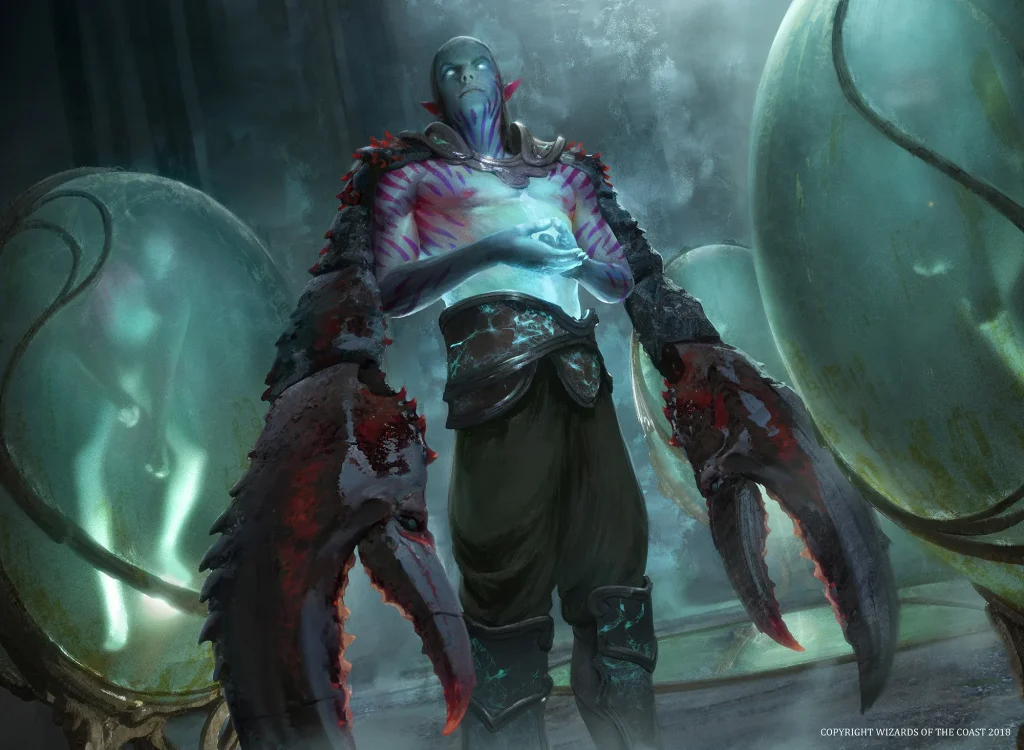
Genome Architect
Foundation
SPELLCAST TRAIT: Knowledge
Genetic Override: When you change your active Genetic Trait, choose either an Ally Optimization or Congenital Maladaption.
Ally Optimization: Until end of scene, an ally in Far range gains your active Genetic Trait.
Congenital Maladaption: An adversary within Close range makes a Reaction Roll (13). On a failure, temporarily they gain one of the following:
Atrophic Musculature: They Mark a stress to move. Their movements are halved.
Neural Desync: -2 penalty to their action rolls and thresholds.
Hemorrhagic Cascade: If they mark HP, they mark +1 HP.
Sensory Collapse: Target is revealed and Vulnerable.
Genome Architect
Specialization
Devolution Protocol: When an enemy fails the Reaction Roll against your Congenital Maladaption, that enemy reduces their Difficulty by your Spellcast trait modifier until the end of their next action.
Corrective Rewrite: Choose one target you can touch, spend 2 Hope to clear a negative condition.
Group Selection: When you use Directed Evolution, you may target as many targets within Close range equal to your Knowledge modifier.
Genome Architect
Mastery
Hybridization: Directed Evolution also triggers a Hybrid Trait below until the end of the scene. Their appearance visibly reflects the hybridization.
Draconic Integration: Your Melee attacks hit Very Close range and are fire damage. Gain immunity to fire.
Giant Myofiber: The creature gains +2 Strength and double thresholds.
Ooze Morphology: When a creature makes a melee attack against a creature with this trait, it must make a Reaction Roll (13) or become temporarily Restrained.
Chimeric Instability: If an adversary attacks you or an ally in Very Close Range they make a Reaction Roll (13) or become temporarily Poisoned. While Poisoned, the target must roll a d6 upon taking the spotlight. On a result of 4 or lower, they must mark a Stress.
Geneticist
A Geneticist is a scholar of living systems who studies adaptation, heredity, and engineered change. Where druids commune with nature and healers mend what is broken, Geneticists rewrite what is possible, pushing bodies and biology beyond their intended limits through careful study and risky innovation.They thrive in moments where survival demands adaptation
Domains
Sage + Innovation
Starting Evasion
10
Starting Hit Points
6
Class Items
- • A sealed vial containing a preserved specimen you refuse to discard.
- • A mutable sample kit filled with labeled vials and instruments
Geneticist’s Hope Feature
Directed Evolution : Spend 3 Hope to forcibly accelerate genetic adaptation. Choose yourself or a creature you can touch. Until the end of the scene, that creature gains two different Genetic Traits.
Class Features
Adaptive Sequencing
Your body is in a constant state of controlled mutation carrying engineered genetic upgrades called Traits. At the start of each scene, choose one Genetic Trait. You may change your active Trait during a scene by marking 1 Stress. You can only have one Genetic Trait active at a time. Genetic Traits are passive and always in effect while active. Genetic Traits * Resilient: When you mark more than 1 HP, reduce it by 1. * Agile: Your nervous system accelerates. Gain +2 Evasion while you are not Restrained. * Hypermetabolic: Consumables that heal clear +1 additional HP. * Camouflage: You are considered Cloaked until you roll with Fear or make an attack in a scene.
Geneticist Subclasses
Choose either the Biomancer or Genome Architect subclass.
Biomancer
Play the Biomancer if you want to empower your allies’ bodies, turning wounds into strength and adaptation into protection.
Spellcast Trait
Knowledge
Foundation Features
Biohacking: Mark a Stress to target a creature within Close range. Choose one Biohack:
Ally Biohacks
Regenerative Surge: The target clears 1 HP.
Adaptive Buffer: The target increases their thresholds equal to your Proficiency until end of scene.
Enemy Biohacks
Metabolic Disruption: The target marks 1 Stress.
Neural Interference: The target takes a -2 stackable debuff to damage.
Specialization Feature
Chain Modification: After Biohacking, you may spend 1 Hope to target a second creature within Close range of the original target.
If the second target is an ally, they gain temporary HP equal to your Knowledge modifier.
If the second target is an enemy, they mark 1 Stress, and they are temporarily Vulnerable.
Mastery Feature
Optimized Bioengineering: Apply all Biohack effects to both targets affected by Chain Modification. Additionally, when you use Biohacking apply the following upgrades:
Perfected Regeneration: Until end of scene, Biohacked allies clear an additional HP when healed.
Aggressive Mutation: When you target an adversary, your Enemy Biohack effects are doubled in value.
Genome Architect
Play the Genome Architect if you want to reshape biological problems before they occur and undo threats around you with creative evolution
Spellcast Trait
Knowledge
Foundation Features
Genetic Override: When you change your active Genetic Trait, choose either an Ally Optimization or Congenital Maladaption.
Ally Optimization: Until end of scene, an ally in Far range gains your active Genetic Trait.
Congenital Maladaption: An adversary within Close range makes a Reaction Roll (13). On a failure, temporarily they gain one of the following:
Atrophic Musculature: They Mark a stress to move. Their movements are halved.
Neural Desync: -2 penalty to their action rolls and thresholds.
Hemorrhagic Cascade: If they mark HP, they mark +1 HP.
Sensory Collapse: Target is revealed and Vulnerable.
Specialization Feature
Devolution Protocol: When an enemy fails the Reaction Roll against your Congenital Maladaption, that enemy reduces their Difficulty by your Spellcast trait modifier until the end of their next action.
Corrective Rewrite: Choose one target you can touch, spend 2 Hope to clear a negative condition.
Group Selection: When you use Directed Evolution, you may target as many targets within Close range equal to your Knowledge modifier.
Mastery Feature
Hybridization: Directed Evolution also triggers a Hybrid Trait below until the end of the scene. Their appearance visibly reflects the hybridization.
Draconic Integration: Your Melee attacks hit Very Close range and are fire damage. Gain immunity to fire.
Giant Myofiber: The creature gains +2 Strength and double thresholds.
Ooze Morphology: When a creature makes a melee attack against a creature with this trait, it must make a Reaction Roll (13) or become temporarily Restrained.
Chimeric Instability: If an adversary attacks you or an ally in Very Close Range they make a Reaction Roll (13) or become temporarily Poisoned. While Poisoned, the target must roll a d6 upon taking the spotlight. On a result of 4 or lower, they must mark a Stress.
Background Questions
Answer any of the following, or create your own.
—
Connections
Ask one of the following, or improvise.
—
Discussion
Be thoughtful and kind.

Remember to be respectful. Comments are moderated and should add to the discussion.