Adversaries
  Ancestries
  Armor
Armor  Classes
  Communities
  Consumables
  Domains
  Environments
  Items
Items  Subclasses
  Weapons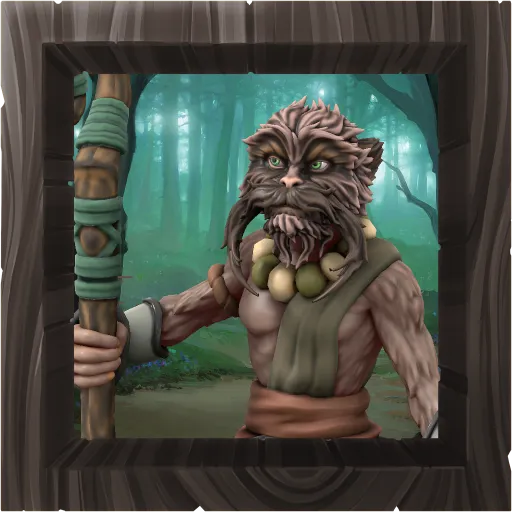

Shaman
About this class
As a Shaman, you have a deep connection to fate, nature and the spiritual realm and you use those connections to aid those around you.
You commune with the spirits of the land, seeking their wisdom and strengthening your resolve. Ever one to seek a greater bond with those who once lived, you often look to change your fate that you may one day regain what you lost. With their aid, you bolster yourself and your allies, supporting those in need and bringing hope back to the ones who need it most.
Download the Shaman character sheet and class cards here:
https://drive.google.com/drive/folders/10Bvb6fih61tZdnSy2pJlKibHiYM1XDgR?usp=drive_link
Included subclasses



Domains
 Sage
Sage
 Splendor
Starting stats
Hope feature
Class features
-
Spiritual Communion
Mark a Stress and describe the Spirit Animal you summon to aid you. You can dismiss this Spirit at any time.
At each Tier, the Spirit has the following Evasion: Tier 1 (11 Evasion); Tier 2 (12 Evasion); Tier 3 (13 Evasion);Tier 4 (14 Evasion). It has the same damage thresholds as you, but does not have its own HP or Stress. If the Spirit would mark HP, you mark that many Stress instead. Any effect that would cause the Spirit to mark Stress is ignored.
Make a Spellcast roll to commune with the Spirit and ask it to take an Action. On a success with Hope, if your next action builds on the success of the Spirit, you gain advantage on that action. You can spend a Hope to apply one of your own Experiences to any action the Spirit would take. You can channel any spells you cast through the Spirit, using it as the point of origin for the spell.
When you ask the Spirit to attack, it moves into Melee range of the target and it gains any benefits that would normally apply to you. On a success, it uses your proficiency and deals d6 mag damage.
When you would mark a Stress slot but can't or your roll to commune with the Spirit is a failure with Fear, the Spirit vanishes from this realm.
Class items
- A peculiar stick from your past
- A pot of coloured powder
Character questions
Background prompts
- How has your connection with the Spirits impacted your relationship with your closest friend?
- There is a particular Spirit you feel a stronger connection with than the others. What is it about them that draws you toward them?
- What is one Spirit you seek a connection with but haven't been able to find?
Connection prompts
- What is one thing about me that you are afraid of?
- Why do you look at me strangely when I listen for the voices of Spirits at night?
- What is something about me that you always try to convince me I should change?
Subclass cards
Printable via header menu

Oracle
Foundation
SPELLCAST TRAIT: Instinct
Oracle Deck: Make a Spellcast (15) roll to draw a card. On a success with Hope, choose which card you draw. On a success with Fear, roll a d4 and draw the card that matches the result. Apply its effect to an ally in Melee range. Only one card can be active at a time. A new card replaces the previous one.
The Jaguar: Your ally gets advantage on their next attack roll.
The Serpent: The next time your ally would take damage, reduce it by one threshold.
The Hummingbird: Your ally gets a one-range extension to their next Action and they gain a Hope.
The Coyote: Your ally gets a +1 bonus to their Evasion until they roll with Fear.

Oracle
Specialization
Tempting Fate: When you draw a card from your Oracle Deck, you can spend two Hope to roll a d4 and draw a second card that matches the result. If you do, the GM gains a Fear.
Whispers on the Wind: Once per rest, you can listen for voices on the wind. Mark a Stress to hear them talk about the location of something that you seek.
Oracle
Mastery
Spiritual Ritual: As a downtime action, you can engage in a Spiritual Ritual and roll a Ritual die. Your Ritual die is a d4 on a short rest, or a d6 on a long rest. Place a number of Oracle tokens on this card equal to the result of the Ritual die.
When you use your Oracle Deck, you can spend an Oracle token to choose a card instead of making a Spellcast roll. When you run out of Oracle tokens, you can use the Oracle deck as normal.
Give Me A Sign: You can mark two Stress and plea to the Spirits for their aid, allowing a willing target in Melee range to reroll either their Hope die or their Fear die after the roll, but before the outcome is resolved.

Seer
Foundation
SPELLCAST TRAIT: Instinct
Spiritual Guidance: Make a Spellcast (13) roll and call on a Spirit for advice. On a success, describe how the spirit guides you and gain a +1 bonus to a trait of your choice until you roll a failure with Fear or until your next rest. A new bonus replaces the previous one.
Shamanic Trance: Once per long rest, you can mark a Stress to temporarily enter a trance and enter the Spirit realm, allowing you to see through the eyes of a Spirit Animal. While channeling, you can see one thing it sees, one thing it hears, and one thing it smells. Then the trance ends.
Seer
Specialization
Deeper Connection: Spend a Hope and channel your thoughts through your active Animal Spirit, allowing you to create a mental connection with a willing creature within Close range of the Spirit.
Smudging the Space: Once per session you can alight your Smudge sticks, cleansing an area of foul energy. Allies within Close range each clear two Stress.
Seer
Mastery
Totem Pole: Make a Spellcast (16) roll to conjure a Totem Pole at a point within Close range. When you and your allies are within Very Close range of the Totem Pole, you gain the following benefits:
Attacks against you have disadvantage
You gain advantage on Reaction rolls
You cannot become Vulnerable or Restrained.
The Totem Pole lasts until the GM spends a Fear on their turn to clear this effect or you roll a failure with Fear.
Calming Resolve: Mark two Stress to clear one Armour slot from an ally within Close range.
Shaman
As a Shaman, you have a deep connection to fate, nature and the spiritual realm and you use those connections to aid those around you.
You commune with the spirits of the land, seeking their wisdom and strengthening your resolve. Ever one to seek a greater bond with those who once lived, you often look to change your fate that you may one day regain what you lost. With their aid, you bolster yourself and your allies, supporting those in need and bringing hope back to the ones who need it most.
Download the Shaman character sheet and class cards here:
https://drive.google.com/drive/folders/10Bvb6fih61tZdnSy2pJlKibHiYM1XDgR?usp=drive_link
Domains
Sage + Splendor
Starting Evasion
11
Starting Hit Points
5
Class Items
- • A peculiar stick from your past
- • A pot of coloured powder
Shaman’s Hope Feature
Guide My Path : Spend 3 Hope to use Spiritual Communion without marking a Stress. When you do, clear a Stress.
Class Features
Spiritual Communion
Mark a Stress and describe the Spirit Animal you summon to aid you. You can dismiss this Spirit at any time. At each Tier, the Spirit has the following Evasion: Tier 1 (11 Evasion); Tier 2 (12 Evasion); Tier 3 (13 Evasion);Tier 4 (14 Evasion). It has the same damage thresholds as you, but does not have its own HP or Stress. If the Spirit would mark HP, you mark that many Stress instead. Any effect that would cause the Spirit to mark Stress is ignored. Make a Spellcast roll to commune with the Spirit and ask it to take an Action. On a success with Hope, if your next action builds on the success of the Spirit, you gain advantage on that action. You can spend a Hope to apply one of your own Experiences to any action the Spirit would take. You can channel any spells you cast through the Spirit, using it as the point of origin for the spell. When you ask the Spirit to attack, it moves into Melee range of the target and it gains any benefits that would normally apply to you. On a success, it uses your proficiency and deals d6 mag damage. When you would mark a Stress slot but can't or your roll to commune with the Spirit is a failure with Fear, the Spirit vanishes from this realm.
Shaman Subclasses
Choose either the Oracle or Seer subclass.
Oracle
Interpret omens and tempt your fate.
Spellcast Trait
Instinct
Foundation Features
Oracle Deck: Make a Spellcast (15) roll to draw a card. On a success with Hope, choose which card you draw. On a success with Fear, roll a d4 and draw the card that matches the result. Apply its effect to an ally in Melee range. Only one card can be active at a time. A new card replaces the previous one.
The Jaguar: Your ally gets advantage on their next attack roll.
The Serpent: The next time your ally would take damage, reduce it by one threshold.
The Hummingbird: Your ally gets a one-range extension to their next Action and they gain a Hope.
The Coyote: Your ally gets a +1 bonus to their Evasion until they roll with Fear.
Specialization Feature
Tempting Fate: When you draw a card from your Oracle Deck, you can spend two Hope to roll a d4 and draw a second card that matches the result. If you do, the GM gains a Fear.
Whispers on the Wind: Once per rest, you can listen for voices on the wind. Mark a Stress to hear them talk about the location of something that you seek.
Mastery Feature
Spiritual Ritual: As a downtime action, you can engage in a Spiritual Ritual and roll a Ritual die. Your Ritual die is a d4 on a short rest, or a d6 on a long rest. Place a number of Oracle tokens on this card equal to the result of the Ritual die.
When you use your Oracle Deck, you can spend an Oracle token to choose a card instead of making a Spellcast roll. When you run out of Oracle tokens, you can use the Oracle deck as normal.
Give Me A Sign: You can mark two Stress and plea to the Spirits for their aid, allowing a willing target in Melee range to reroll either their Hope die or their Fear die after the roll, but before the outcome is resolved.
Seer
Call on animal spirits to aid you.
Spellcast Trait
Instinct
Foundation Features
Spiritual Guidance: Make a Spellcast (13) roll and call on a Spirit for advice. On a success, describe how the spirit guides you and gain a +1 bonus to a trait of your choice until you roll a failure with Fear or until your next rest. A new bonus replaces the previous one.
Shamanic Trance: Once per long rest, you can mark a Stress to temporarily enter a trance and enter the Spirit realm, allowing you to see through the eyes of a Spirit Animal. While channeling, you can see one thing it sees, one thing it hears, and one thing it smells. Then the trance ends.
Specialization Feature
Deeper Connection: Spend a Hope and channel your thoughts through your active Animal Spirit, allowing you to create a mental connection with a willing creature within Close range of the Spirit.
Smudging the Space: Once per session you can alight your Smudge sticks, cleansing an area of foul energy. Allies within Close range each clear two Stress.
Mastery Feature
Totem Pole: Make a Spellcast (16) roll to conjure a Totem Pole at a point within Close range. When you and your allies are within Very Close range of the Totem Pole, you gain the following benefits:
Attacks against you have disadvantage
You gain advantage on Reaction rolls
You cannot become Vulnerable or Restrained.
The Totem Pole lasts until the GM spends a Fear on their turn to clear this effect or you roll a failure with Fear.
Calming Resolve: Mark two Stress to clear one Armour slot from an ally within Close range.
Background Questions
Answer any of the following, or create your own.
- • How has your connection with the Spirits impacted your relationship with your closest friend?
- • There is a particular Spirit you feel a stronger connection with than the others. What is it about them that draws you toward them?
- • What is one Spirit you seek a connection with but haven't been able to find?
Connections
Ask one of the following, or improvise.
- • What is one thing about me that you are afraid of?
- • Why do you look at me strangely when I listen for the voices of Spirits at night?
- • What is something about me that you always try to convince me I should change?
Discussion
Be thoughtful and kind.

Remember to be respectful. Comments are moderated and should add to the discussion.