Adversaries
  Ancestries
  Armor
Armor  Classes
  Communities
  Consumables
  Domains
  Environments
  Items
Items 

 Subclasses
  Weapons
 Summon
 Designed by
Domain overview
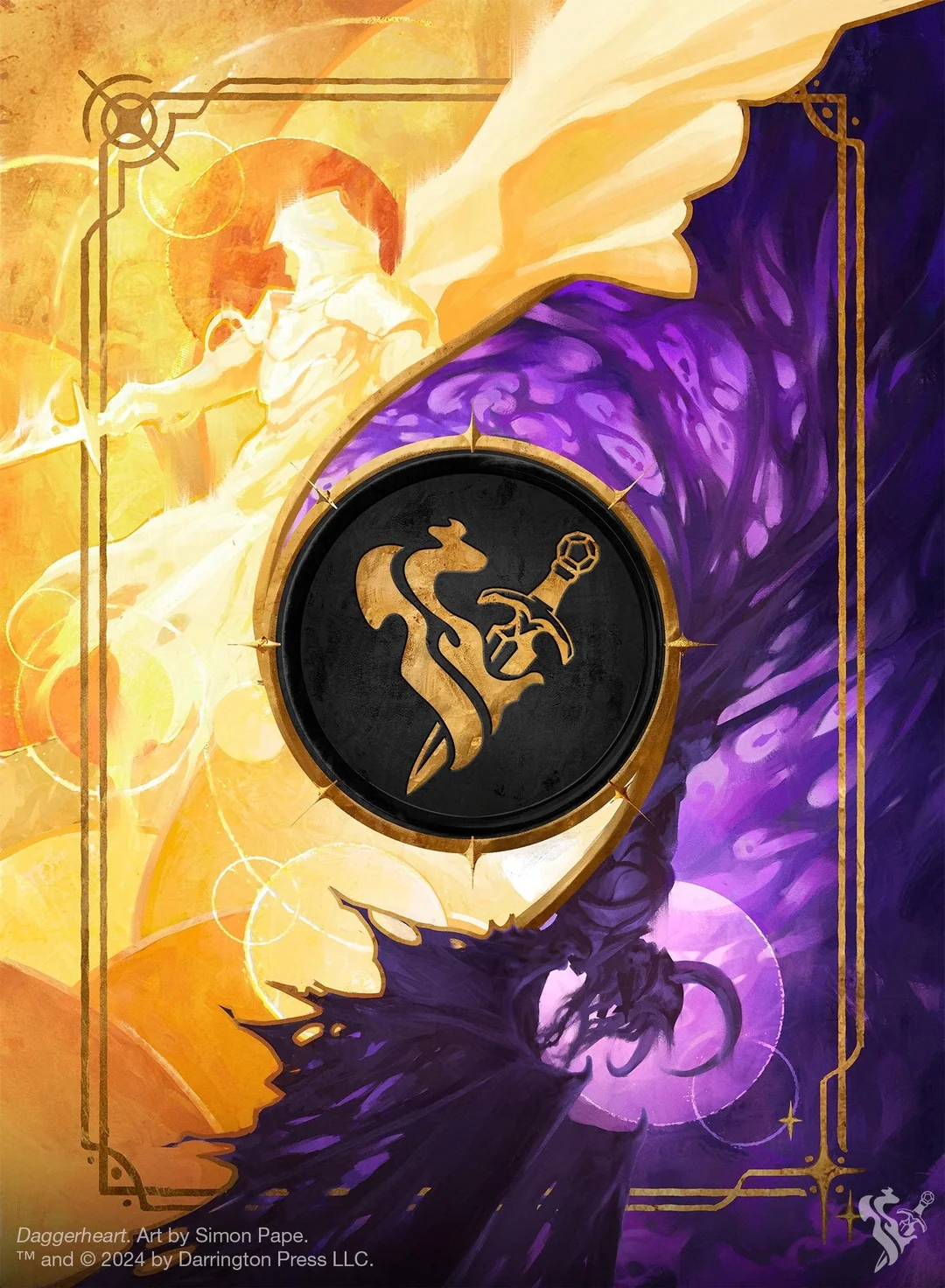
The Summon domain allows you to conjure all sorts of things into existence. The power to create, or at least pull from thin air, is very potent. Mastering this domain requires creative thinking, swift decision making, and maintaining a balance of what you need for any given situation.
Domain card index
| Level | Type | Name | Feature | Recall |
|---|---|---|---|---|
| 1 | Ability | Summon Shadow |
Mark a Stress to summon a shadow version of yourself within Close range to make an attack on a creature within range of your weapon.
Mark a Stress to summon a shadow version of yourself within Close range to make an attack on a creature within range of your weapon. |
1 |
| 1 | Ability | Summon Tracker |
Spend a Hope to summon a creature good at tracking.
Spend a Hope to summon a creature good at tracking. You give the relevant information to the creature. You gain advantage on a number of rolls made to track the person, or object you are looking for equal to your Proficiency, after which your summon disappears. |
0 |
| 1 | Spell | Helping Hand |
Once per rest, make a Spellcast roll (15).
Once per rest, make a Spellcast roll (15). On a success, when you Help another creature, you may grant them an additional d6 by summoning a creature relevant to the action until your next rest. |
1 |
| 2 | Ability | Summon Dummy |
When you get hit with an attack, Mark a Stress to summon a dummy to lower the damage by one Threshold.
When you get hit with an attack, Mark a Stress to summon a dummy to lower the damage by one Threshold. |
1 |
| 2 | Spell | Summon Swarm |
Make a Spellcast roll against a target within Far range.
Make a Spellcast roll against a target within Far range. On a success, you conjure a swarm of small creatures that attack the target, dealing d4 + 3 physical damage using your proficiency, and you may Mark a Stress to force the target to make a reaction roll (13). On a failure, you may choose one of the following effects: You may move the creature anywhere within Far range. The creature becomes temporarily vulnerable. |
2 |
| 3 | Spell | Summon Marker |
Make a Spellcast roll (14).
Make a Spellcast roll (14). On a success, you make a mark of some kind in the space you are occupying. As long as you are in Very Far range of the mark, you may Mark a Stress to return to that point. You may mark an additional Stress to take another creature within Melee range. If you use this after you get attacked, you must make an Agility reaction roll (16) to avoid taking damage. |
2 |
| 3 | Spell | Summon Rope |
Spend any number of Hope to summon rope, and make a Spellcast roll against a number of creatures in Far range equal to the amount of Hope spent.
Spend any number of Hope to summon rope, and make a Spellcast roll against a number of creatures in Far range equal to the amount of Hope spent. On a success, the targets become temporarily restrained. |
1 |
| 4 | Ability | Masquarade |
Mark a Stress to conjure a magical disguise.
Mark a Stress to conjure a magical disguise. You have advantage on Presence rolls to leverage this change. You are forced out of your disguise if you take Severe Damage, or mark your last Hit Point. You may drop your disguise at any time. |
1 |
| 4 | Spell | Summon Sprite |
Mark a Stress, and Make a Spellcast roll (16).
Mark a Stress, and Make a Spellcast roll (16). On a success, you may summon for yourself, or a creature within Close range, a sprite, which grants a 1d4 bonus to all rolls until your next rest. |
2 |
| 5 | Spell | Summon Mirage |
Make a Spellcast roll (15).
Make a Spellcast roll (15). On a success, place a number of tokens on this card equal to your Instinct (minimum 1). Whenever you get attacked, you may spend a token to force the attacking creature to make the attack at disadvantage. |
2 |
| 5 | Spell | Summon Undead |
Make a Spellcast roll against a target within Close range.
Make a Spellcast roll against a target within Close range. On a success, the target takes d8 + 2 physical damage using your proficiency, and Marks a Stress. |
1 |
| 6 | Ability | Echo |
Whenever you make a successful attack, Mark a Stress to force the target to make a reaction roll (15).
Whenever you make a successful attack, Mark a Stress to force the target to make a reaction roll (15). On a failure, you may add an additional roll of your damage dice to the damage roll. |
2 |
| 6 | Spell | Summon Cursed Item |
Spend a Hope, and make a Spellcast roll (16).
Spend a Hope, and make a Spellcast roll (16). On a success, you conjure up a Cursed Item. Whenever someone within Close range rolls with Fear, you may place a token on this card. You may have a number of tokens equal to your proficiency. When you have at least one token on this card, you may Mark a Stress to brandish the item against a target within Close range, and force them to make a reaction roll (15). On a failure, they take 1d20 magic damage per token accumulated, and are temporarily vulnerable. On a success, they take half damage, and aren’t vulnerable. The Cursed Item then disappears. |
1 |
| 7 | Ability | Summon-Touched |
When 4 or more of the domain cards in your loadout are from the Summon Domain, gain the following benefits:When you succeed with Fear, you may Clear a StressYou may add your Tier to Spellcast rolls.
When 4 or more of the domain cards in your loadout are from the Summon Domain, gain the following benefits: When you succeed with Fear, you may Clear a Stress You may add your Tier to Spellcast rolls. |
2 |
| 7 | Spell | Summon Soul Dew |
Make a Spellcast roll (18).
Make a Spellcast roll (18). On a success, you summon a natural, angelic presence, and you may clear a number of Hit Points equal to your Spellcast Trait on a target within Close range. |
2 |
| 8 | Spell | Summon Steed |
Spend a Hope, and make a Spellcast roll (16).
Spend a Hope, and make a Spellcast roll (16). On a success, you may call upon a Steed which you may ride. You may spend an additional Hope when making the Spellcast roll to summon a Steed that flies. While you are on your Steed, you gain the following benefits: You may move into Far range without making an Agility roll. Add +1 to your Evasion. Whenever you make a successful attack within Very Close range, you may add 2d12 physical damage to the damage roll. The Steed lasts until your next rest, you mark your last Hit Point, or you use this spell again. |
3 |
| 8 | Spell | Summon Sunsprite |
Once per session, make a Spellcast roll (16).
Once per session, make a Spellcast roll (16). On a success, you summon a being of pure light, and you, and all your allies gain 1d6 Hope. You may Mark any number of Stress to add 1d6 per Stress marked. When you do so, you roll all of the d6, and take the highest result. |
1 |
| 9 | Ability | Summon Champion |
Whenever someone else within Close range makes a successful attack, Mark a Stress to force the target of their attack to make a reaction roll (16).
Whenever someone else within Close range makes a successful attack, Mark a Stress to force the target of their attack to make a reaction roll (16). On a failure, you conjure a spiritual, or otherworldly warrior who deals additional damage equal to your weapon damage to the target. |
3 |
| 9 | Spell | Summon Storm |
Make a Spellcast roll against a target within Far range.
Make a Spellcast roll against a target within Far range. On a success, the target, and anyone within Very Close range, must make a reaction roll (16). On a failure, they take d10 + 7 magic damage using your proficiency, and become temporarily vulnerable. On a failure, they take half damage, and aren’t vulnerable. |
2 |
| 10 | Ability | Summon Horde |
Mark 2 Stress to summon a magical army, and make a weapon attack against all creatures of your choosing within Very Far range.
Mark 2 Stress to summon a magical army, and make a weapon attack against all creatures of your choosing within Very Far range. |
3 |
| 10 | Spell | Deus Ex Machina |
Once per session, make a Spellcast roll (20).
Once per session, make a Spellcast roll (20). On a success, place a number of tokens on this card equal to your Spellcast trait (minimum 1). When you are asked to make a roll, you may spend a token to make the roll an automatic Critical Success. Once you’ve used your last token, the spell ends. On a failure, you mark 1d4 Stress, and the spell ends. |
3 |
Domain cards

1



Summon Shadow
Mark a Stress to summon a shadow version of yourself within Close range to make an attack on a creature within range of your weapon.

1
Summon Tracker
Spend a Hope to summon a creature good at tracking. You give the relevant information to the creature. You gain advantage on a number of rolls made to track the person, or object you are looking for equal to your Proficiency, after which your summon disappears.
1
Helping Hand
Once per rest, make a Spellcast roll (15). On a success, when you Help another creature, you may grant them an additional d6 by summoning a creature relevant to the action until your next rest.
2
Summon Dummy
When you get hit with an attack, Mark a Stress to summon a dummy to lower the damage by one Threshold.
2
Summon Swarm
Make a Spellcast roll against a target within Far range. On a success, you conjure a swarm of small creatures that attack the target, dealing d4 + 3 physical damage using your proficiency, and you may Mark a Stress to force the target to make a reaction roll (13). On a failure, you may choose one of the following effects:
You may move the creature anywhere within Far range.
The creature becomes temporarily vulnerable.
3
Summon Marker
Make a Spellcast roll (14). On a success, you make a mark of some kind in the space you are occupying. As long as you are in Very Far range of the mark, you may Mark a Stress to return to that point. You may mark an additional Stress to take another creature within Melee range. If you use this after you get attacked, you must make an Agility reaction roll (16) to avoid taking damage.
3
Summon Rope
Spend any number of Hope to summon rope, and make a Spellcast roll against a number of creatures in Far range equal to the amount of Hope spent. On a success, the targets become temporarily restrained.
4
Masquarade
Mark a Stress to conjure a magical disguise. You have advantage on Presence rolls to leverage this change. You are forced out of your disguise if you take Severe Damage, or mark your last Hit Point. You may drop your disguise at any time.
4
Summon Sprite
Mark a Stress, and Make a Spellcast roll (16). On a success, you may summon for yourself, or a creature within Close range, a sprite, which grants a 1d4 bonus to all rolls until your next rest.
5
Summon Mirage
Make a Spellcast roll (15). On a success, place a number of tokens on this card equal to your Instinct (minimum 1). Whenever you get attacked, you may spend a token to force the attacking creature to make the attack at disadvantage.
5
Summon Undead
Make a Spellcast roll against a target within Close range. On a success, the target takes d8 + 2 physical damage using your proficiency, and Marks a Stress.
6
Echo
Whenever you make a successful attack, Mark a Stress to force the target to make a reaction roll (15). On a failure, you may add an additional roll of your damage dice to the damage roll.
6
Summon Cursed Item
Spend a Hope, and make a Spellcast roll (16). On a success, you conjure up a Cursed Item. Whenever someone within Close range rolls with Fear, you may place a token on this card. You may have a number of tokens equal to your proficiency. When you have at least one token on this card, you may Mark a Stress to brandish the item against a target within Close range, and force them to make a reaction roll (15). On a failure, they take 1d20 magic damage per token accumulated, and are temporarily vulnerable. On a success, they take half damage, and aren’t vulnerable. The Cursed Item then disappears.
7
Summon-Touched
When 4 or more of the domain cards in your loadout are from the Summon Domain, gain the following benefits:
When you succeed with Fear, you may Clear a Stress
You may add your Tier to Spellcast rolls.
7
Summon Soul Dew
Make a Spellcast roll (18). On a success, you summon a natural, angelic presence, and you may clear a number of Hit Points equal to your Spellcast Trait on a target within Close range.
8
Summon Steed
Spend a Hope, and make a Spellcast roll (16). On a success, you may call upon a Steed which you may ride. You may spend an additional Hope when making the Spellcast roll to summon a Steed that flies. While you are on your Steed, you gain the following benefits:
You may move into Far range without making an Agility roll.
Add +1 to your Evasion.
Whenever you make a successful attack within Very Close range, you may add 2d12 physical damage to the damage roll.
The Steed lasts until your next rest, you mark your last Hit Point, or you use this spell again.
8
Summon Sunsprite
Once per session, make a Spellcast roll (16). On a success, you summon a being of pure light, and you, and all your allies gain 1d6 Hope. You may Mark any number of Stress to add 1d6 per Stress marked. When you do so, you roll all of the d6, and take the highest result.
9
Summon Champion
Whenever someone else within Close range makes a successful attack, Mark a Stress to force the target of their attack to make a reaction roll (16). On a failure, you conjure a spiritual, or otherworldly warrior who deals additional damage equal to your weapon damage to the target.
9
Summon Storm
Make a Spellcast roll against a target within Far range. On a success, the target, and anyone within Very Close range, must make a reaction roll (16). On a failure, they take d10 + 7 magic damage using your proficiency, and become temporarily vulnerable. On a failure, they take half damage, and aren’t vulnerable.
10
Summon Horde
Mark 2 Stress to summon a magical army, and make a weapon attack against all creatures of your choosing within Very Far range.
10
Deus Ex Machina
Once per session, make a Spellcast roll (20). On a success, place a number of tokens on this card equal to your Spellcast trait (minimum 1). When you are asked to make a roll, you may spend a token to make the roll an automatic Critical Success. Once you’ve used your last token, the spell ends. On a failure, you mark 1d4 Stress, and the spell ends.
Deus Ex Machina
The Summon domain allows you to conjure all sorts of things into existence. The power to create, or at least pull from thin air, is very potent. Mastering this domain requires creative thinking, swift decision making, and maintaining a balance of what you need for any given situation.
Domains
—
Starting Evasion
—
Starting Hit Points
—
Class Items
—
Deus Ex Machina Subclasses
No subclasses available.
—
Background Questions
Answer any of the following, or create your own.
—
Connections
Ask one of the following, or improvise.
—
Discussion
Be thoughtful and kind.

Remember to be respectful. Comments are moderated and should add to the discussion.